Featured
Table of Contents
The roadway to healing can be a journey of self-discovery. While injury leaves a lasting effect, it can also result in post-traumatic development. Post-traumatic growth describes the favorable changes and individual growth that can occur after experiencing a terrible occasion. This can include increased durability, boosted partnerships, and a greater sense of purpose.
Several clients who see me almost startle when I mention I believe they have actually experienced trauma. When clients hear me label some of their most troubling and unhealthy experiences as injury they look puzzled.
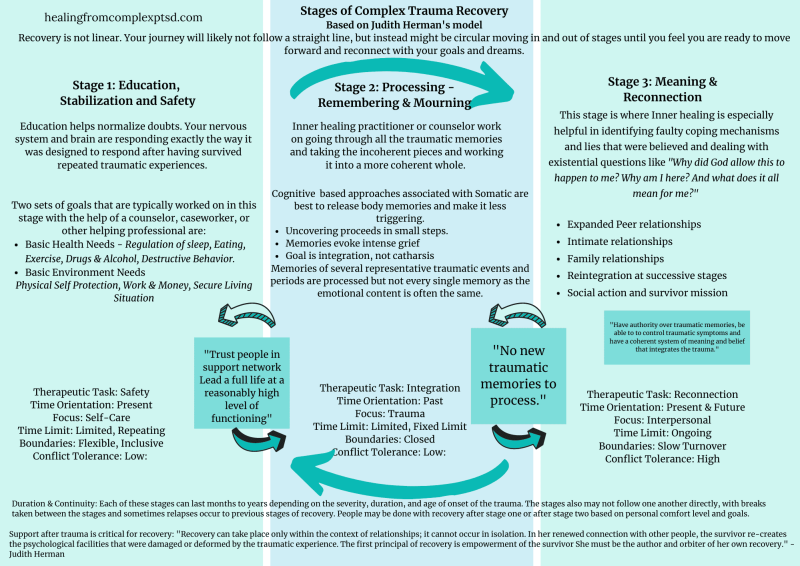
Injury work takes time. We have to take baby steps and enable ourselves to regret the injury. Trauma work includes a "mix" of therapy, cognitive restructuring (i.e., learning different ways to view something), behavior adjustment, relaxation or reflection (i.e., finding out just how to soothe and relax the body), and often medication (i.e., something to enable clients to be tranquil and concentrated sufficient to learn abilities in therapy and control signs and symptoms).
Understanding Regular Talk Therapy vs EMDR Treatment for EMDR therapy
Among the many "tools" I have actually pertained to value when collaborating with injury targets who really feel stuck is. When I identify that my customer is refrained exploring atopic gone over in treatment, stays psychological concerning something, or is struggling in a few other method, I designate restorative research. Therapeutic research is supplementary between sessions.
These obstacles prolong the procedure of post-traumatic development. I have consisted of some of these obstacles below with suggestions on exactly how to carry on and grow from the experience. Signs that a person has actually not recovered from their trauma consists of however is not restricted to: A person who has experienced trauma very first hand will probably battle with re-visiting the occasion( s) in therapy.
Article Traumatic Anxiety Condition (PTSD) is a diagnosis commonly given to sufferers of trauma who have a hard time with flashbacks, evening horrors, or other invasive signs and symptoms such as intrusive ruminating thoughts. Invasive symptoms are "invasive" due to the fact that they happen each time when the individual the very least anticipates it. PTSD symptoms or various other negative responses to the injury can additionally take place after the treatment session.
You likewise want to set treatment with reliable coping abilities. If you do not have the capacity to cope with the emotions and thoughts that may be caused by "re-living" the experience in treatment, you need to not venture down that road. You require a great structure of trust with your specialist, spiritual assistance perhaps through prayer/faith, and great coping skills.: Change is terrifying for a lot of us.
Processing Complex PTSD with Evidence-Based Treatment
Without modification we sink into our patterns and come to be comfortable. For individuals who have a hard time with a trauma background, modification can be 10 times harder. Why? Because trauma can influence an individual's capability to trust fund and experience life in favorable means. When a person doubts regarding various other individuals, occasions in life, or their very own choices they do not desire to alter.
: I urge my customers, numerous who have problem with adjustment, to create a listing of scenarios in which they adapted extremely well to change. I after that trigger my customer to identify the pros and cons of that modification in order to highlight the benefits of the change vs. unfavorable consequences.
Ladies that have dealt with psychological, psychological, physical, and even sexual abuse frequently report locating themselves "stuck" with abusive guys or pals in adulthood. Research study recommends that intimate companion physical violence is much more most likely to happen among women who experienced violence as teens or youngsters. Intimate companion violence is a significant public worryand it is likely that somebody that has a history of trauma will certainly experience intimate partner violence as a grownup. I encourage you to talk with a specialist regarding a pattern of behavior in which it appears you seek emotional support and love from those that can not provide it to you. The supreme goal ought to be to reduce the desire to choose psychological support in the wrong locations and replace that desire with a healthy desire.
Working With Complex Traumatic Experiences with EMDR
Why this occurs to individuals who have trauma histories is made complex. Yet strong research exists on the truth that trauma can make some individuals much more prone to negative social relationships due to the fact that they are "conditioned" to seek connections comparable to partnerships they have had in the past. Knowledge is much safer.
Exploring why you are drawn in to harmful people should occur in therapy. Look for similarities or patterns of behavior that you want to alter.
What Eye Movement Desensitization and Reprocessing Operates in treating Emotional Trauma in Calgary, AB

We have a natural wish to be loved. If the person is looking for love, approval, and compassion from colleagues, managers/supervisors, unfamiliar people in society, or anyone the person comes across in day-to-day life, these are the incorrect individuals to be at risk with.
Something called a does this for both the therapist and customer. Yet you might benefit from asking your therapist to give you a bi-weekly or monthly report on how you have actually grown or just how you have struggled. You can likewise ask your therapist if you can participate in therapy much less frequently to see if that may re-charge your power for treatment.

Latest Posts
Integrative Therapy Addressing PTSD
Your Path Toward True Recovery
Body-Based Work for Nervous System Recovery